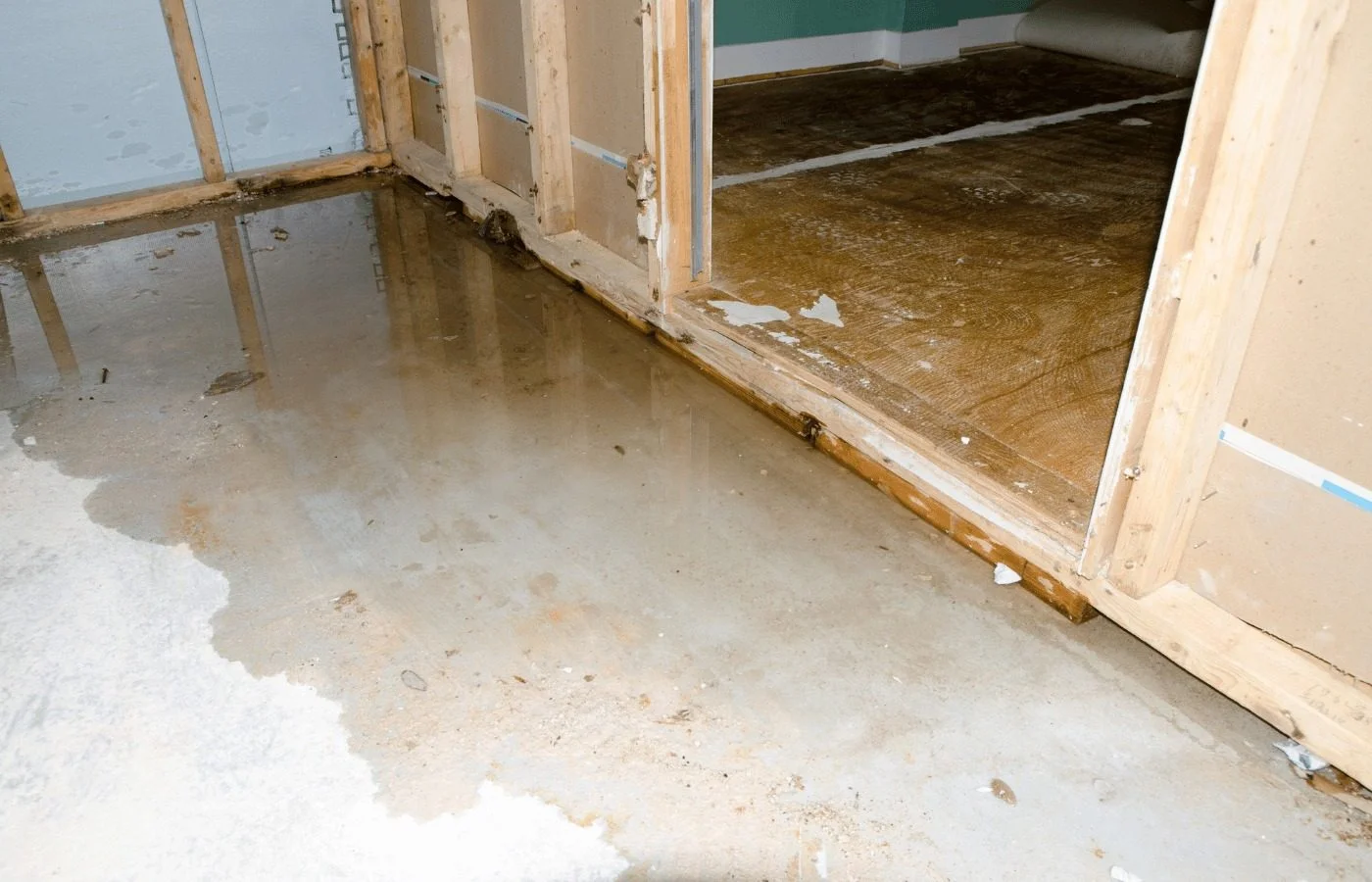
How fast does mold grow after a basement floods from a sump pump failure?
Mold spores begin germinating within 24 to 48 hours on damp drywall, carpet backing, baseboards, and wooden framing following a sump pump failure. Because Illinois basements naturally have high subterranean humidity and limited air circulation, warm stagnant moisture allows common household fungi (Aspergillus, Penicillium, and Cladosporium) to colonize rapidly. To prevent mold, water must be extracted immediately, damaged organic materials flood-cut, EPA-registered antimicrobials applied, and structural relative humidity lowered below 50% RH within 48 hours.
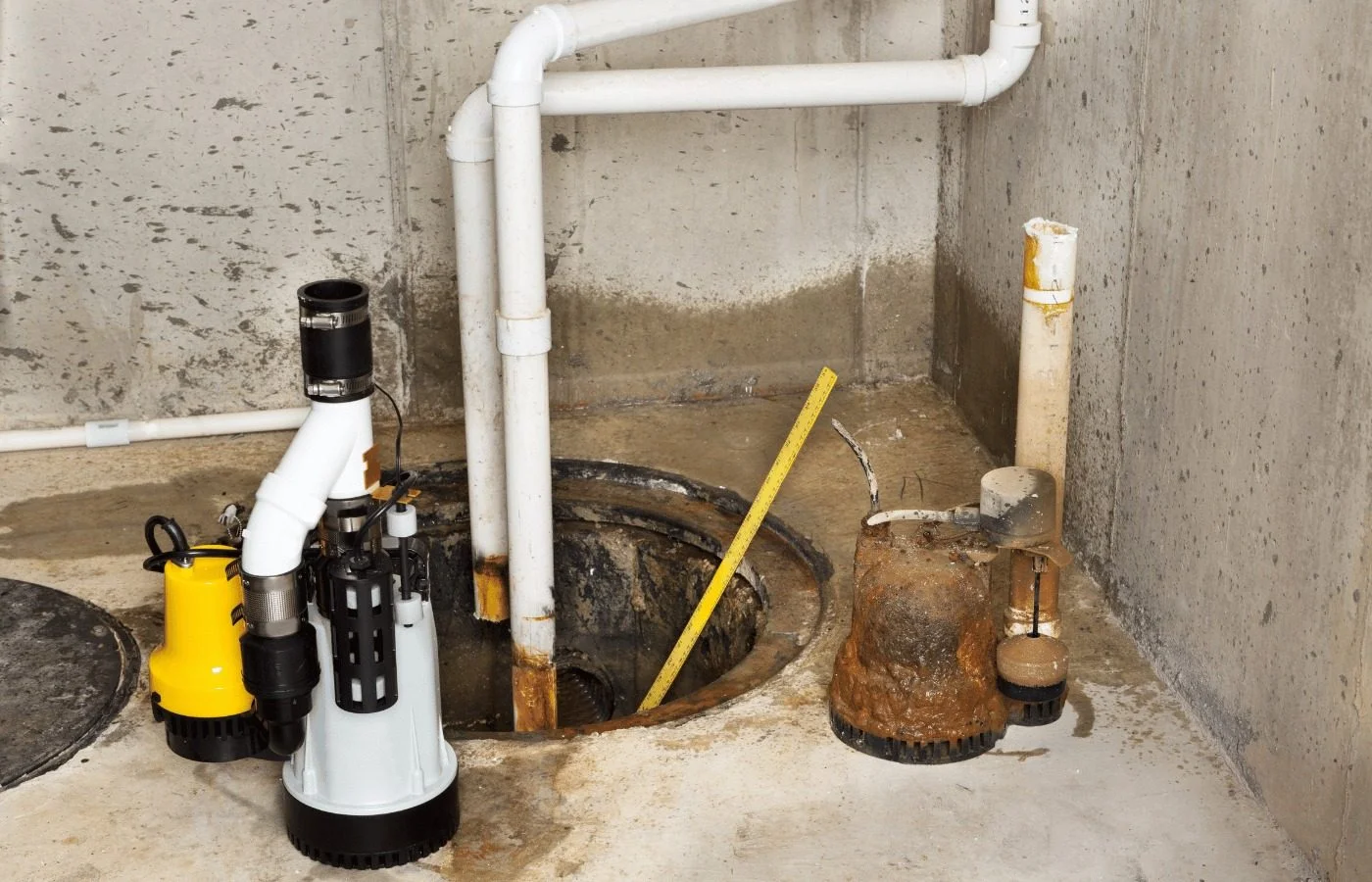
The Timeline of Microbial Growth in Illinois Basements
Why Illinois Basements Mold Faster
- 1 Enclosed Airspace with Minimal Natural Ventilation: Sub-grade Illinois basements have small awning windows and thick concrete foundation walls, trapping moisture vapor.
- 2 Abundant Organic Food Sources: Modern finished basements are lined with paper-faced gypsum drywall, baseboard MDF trim, cardboard storage, and oriented strand board (OSB) subflooring—ideal food sources for mold hyphae.
- 3 HVAC Air Circulation: When central air conditioning or heating systems pull damp basement air into return vents, mold spores are distributed throughout upper-floor bedrooms and living areas.
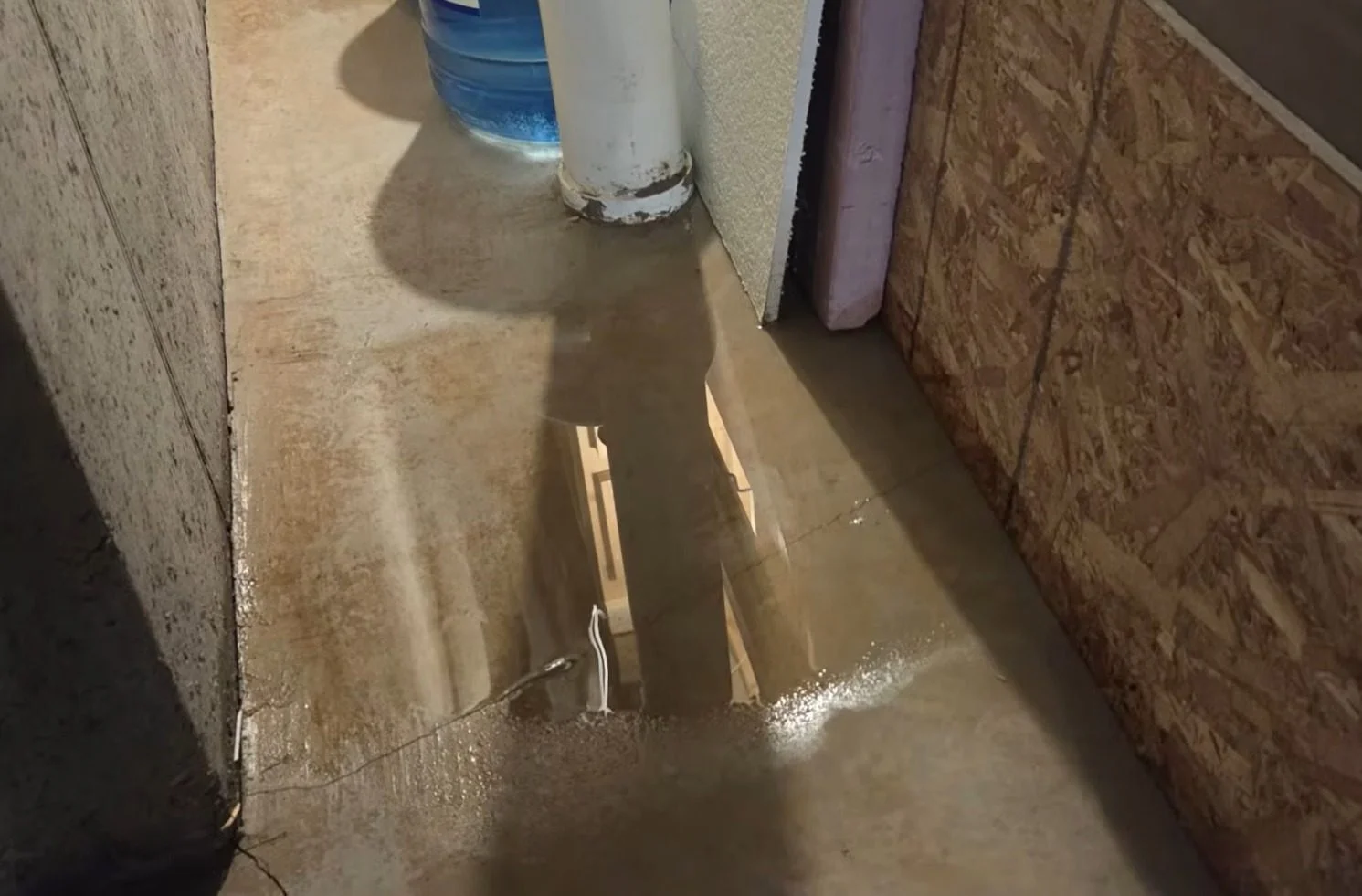
The Most Common Mold Types Found in Illinois Basements
- Cladosporium: The most prevalent outdoor and indoor mold in Illinois. Grows rapidly on damp fiberglass insulation, wooden studs, and carpet fibers, causing chronic allergic rhinitis and asthma flare-ups.
- Aspergillus & Penicillium: Fast-growing powdery colonies that appear blue-green, white, or yellow on wet drywall and cardboard within 48 hours. They release volatile organic compounds (VOCs) that produce the classic "musty basement smell."
- Stachybotrys Chartarum ("Black Toxic Mold"): A slow-growing, greenish-black gelatinous mold that requires continuous moisture on high-cellulose substrates (like wet drywall backing). It produces trichothecene mycotoxins associated with chronic respiratory distress, fatigue, and neurological headaches.
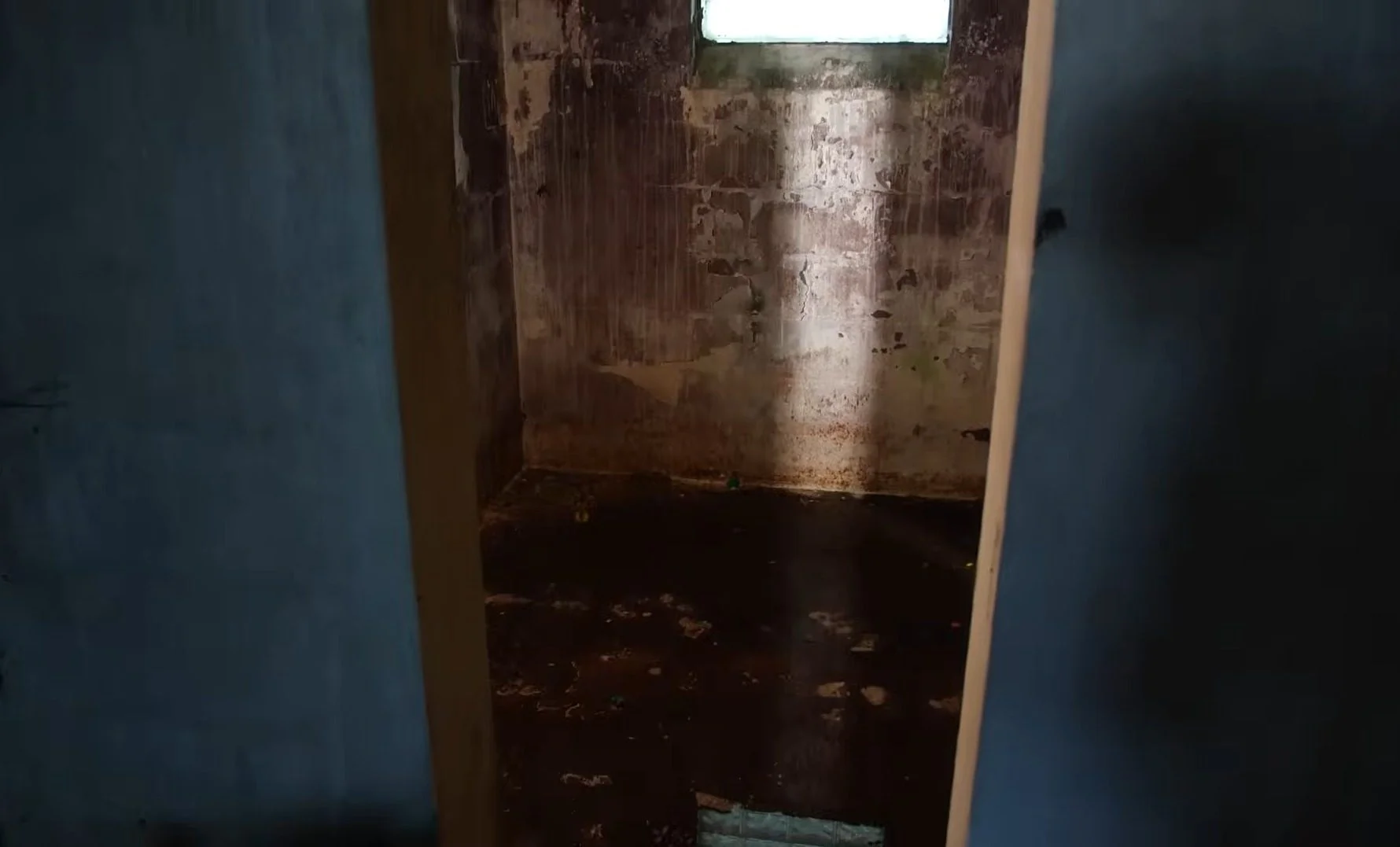
Scientific Mold Prevention Protocols
Preventing mold requires more than wiping down surfaces with household cleaners. We follow a strict psychrometric protocol:
1. Instant Deep Extraction
Using weighted sub-floor extractors and commercial vacuum units, we pull water out of concrete slab pores and carpet fibers before it can vaporize into the ambient air.
2. Strategic Flood Cuts (12 to 24 Inches Above Waterline)
Drywall acts like a sponge, drawing water up through its gypsum core via capillary action. We perform clean "flood cuts" 12 to 24 inches above the highest moisture reading, removing wet gypsum and soaked fiberglass insulation to expose the wall studs for direct drying.
3. EPA-Registered Botanical Antimicrobial Decontamination
We apply hospital-grade botanical fungicides (such as thyme-oil based Benefect® Decon 30) directly to exposed concrete, masonry walls, and wooden 2x4 studs. These solutions penetrate the grain of the wood, killing fungal spores and bacterial colonies on contact without off-gassing toxic chemical fumes.
4. Low-Grain Refrigerant (LGR) Dehumidification
We place high-capacity commercial LGR dehumidifiers to pull gallons of water vapor out of the air daily, keeping relative humidity below 45% to 50% RH. Because mold cannot grow below 50% RH, this halts colonization instantly while structural materials dry.
5. Negative Air HEPA Air Scrubbers
We operate commercial air scrubbers equipped with certified 99.97% HEPA filtration units that cycle the basement air 6 to 8 times per hour, capturing airborne mold spores and dust particulates before they can settle on other surfaces.