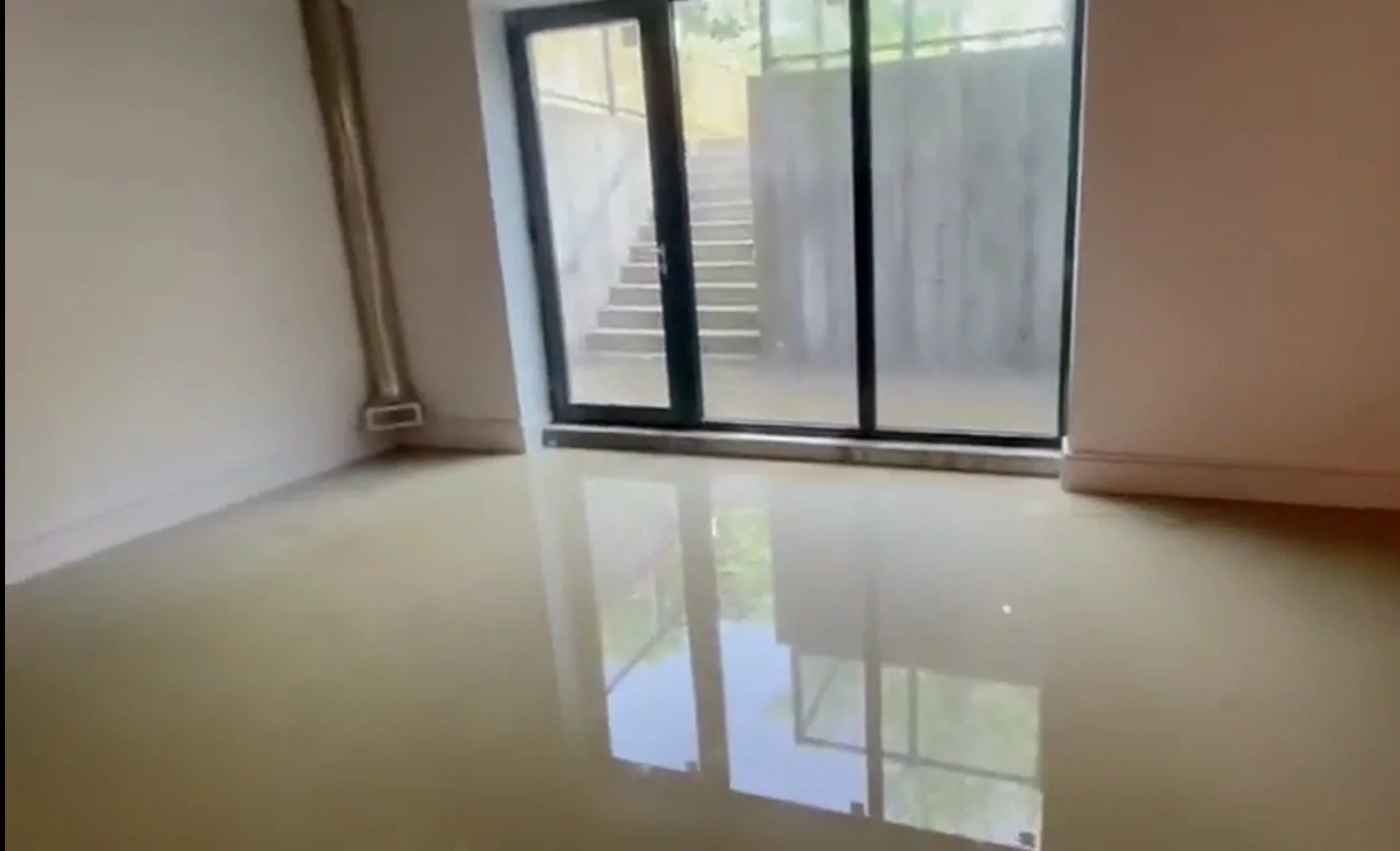
ACTIVE BASEMENT FLOODING IN ILLINOIS?
Standing water in your basement is an immediate structural and electrical emergency. Turn off basement power at your main breaker panel only if dry and safe to reach. Do not wade into deep water near outlets or submerged appliances. 24/7 Emergency Dispatch: (888) 846-0214 — Crews on standby across Cook, DuPage, Lake, Kane, Will, Winnebago, and St. Clair Counties.
What is professional sump pump failure cleanup in Illinois? Professional sump pump failure cleanup is an emergency water extraction and structural drying service that removes standing groundwater or storm runoff after a primary or backup sump pump stops functioning. In Illinois homes, failed sump pumps discharge Category 2 (gray) water into basements, soaking subfloors, drywall, framing, furnaces, and carpets. Certified restoration technicians deploy high-volume truck-mounted extractors, commercial desiccant and LGR dehumidifiers, antimicrobial treatments, and thermal moisture meters to dry structures to IICRC S500 standards within 48 hours to halt mold growth.
- Rapid On-Site Response: Fast dispatch throughout all 102 Illinois counties.
- Complete Category 2 & 3 Extraction: Industrial truck-mounted pumps and low-profile sub-floor extractors.
- Mold Prevention Within 24 Hours: EPA-registered hospital-grade antimicrobial sanitization.
- Direct Insurance Documentation: Full photo logs, moisture mapping, and line-item estimates formatted for Illinois adjusters (State Farm, Allstate, Travelers, USAA).
- Available 24 Hours a Day, 365 Days a Year: (888) 846-0214
Flooded Basement Cleanup Illinois: What Happens When Your Pump Quits
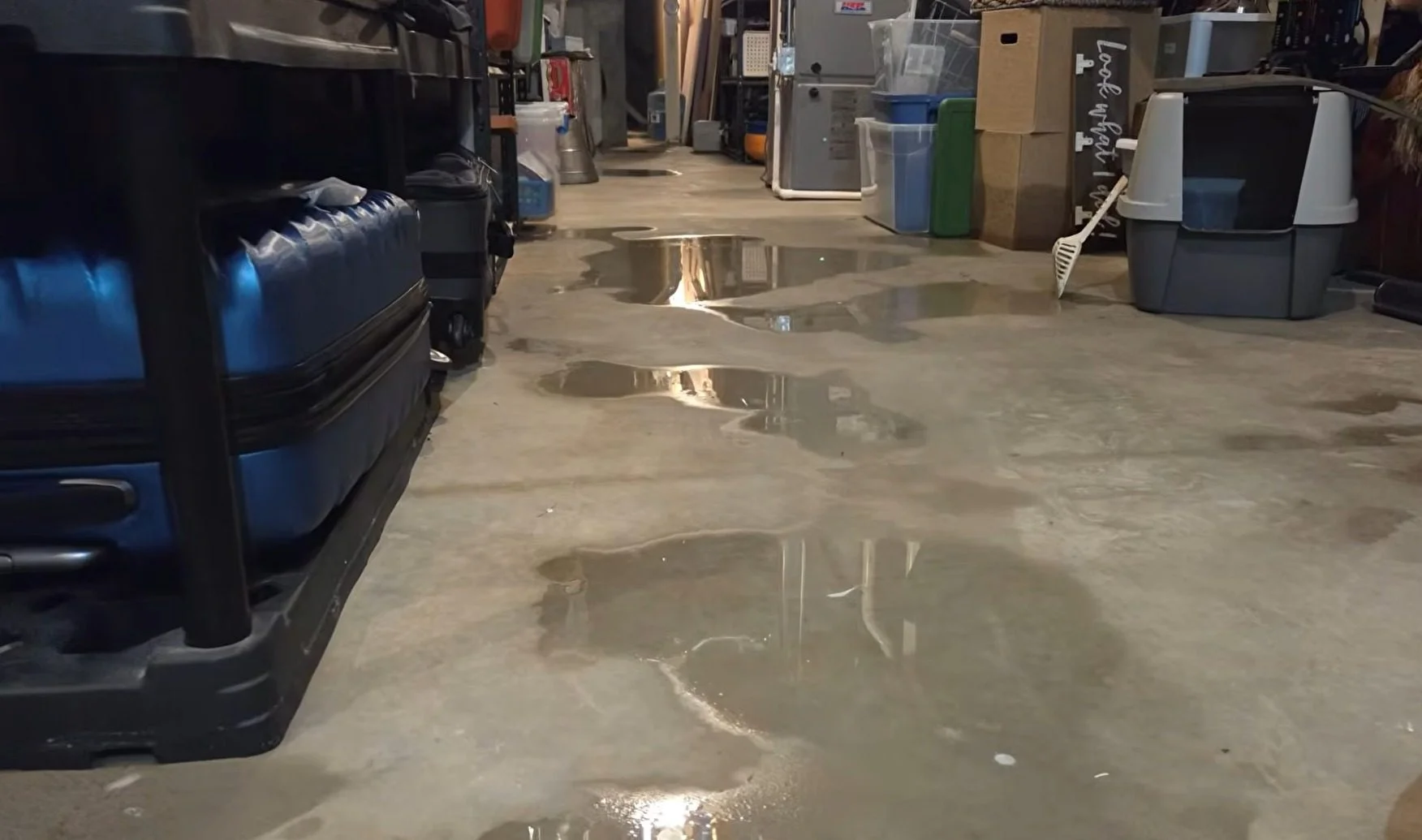
You go downstairs at 11:00 PM to start laundry, step off the bottom riser, and hear the splash. Or you walk past your basement door after a relentless spring thunderstorm only to see your sump pit cover floating across the floor.
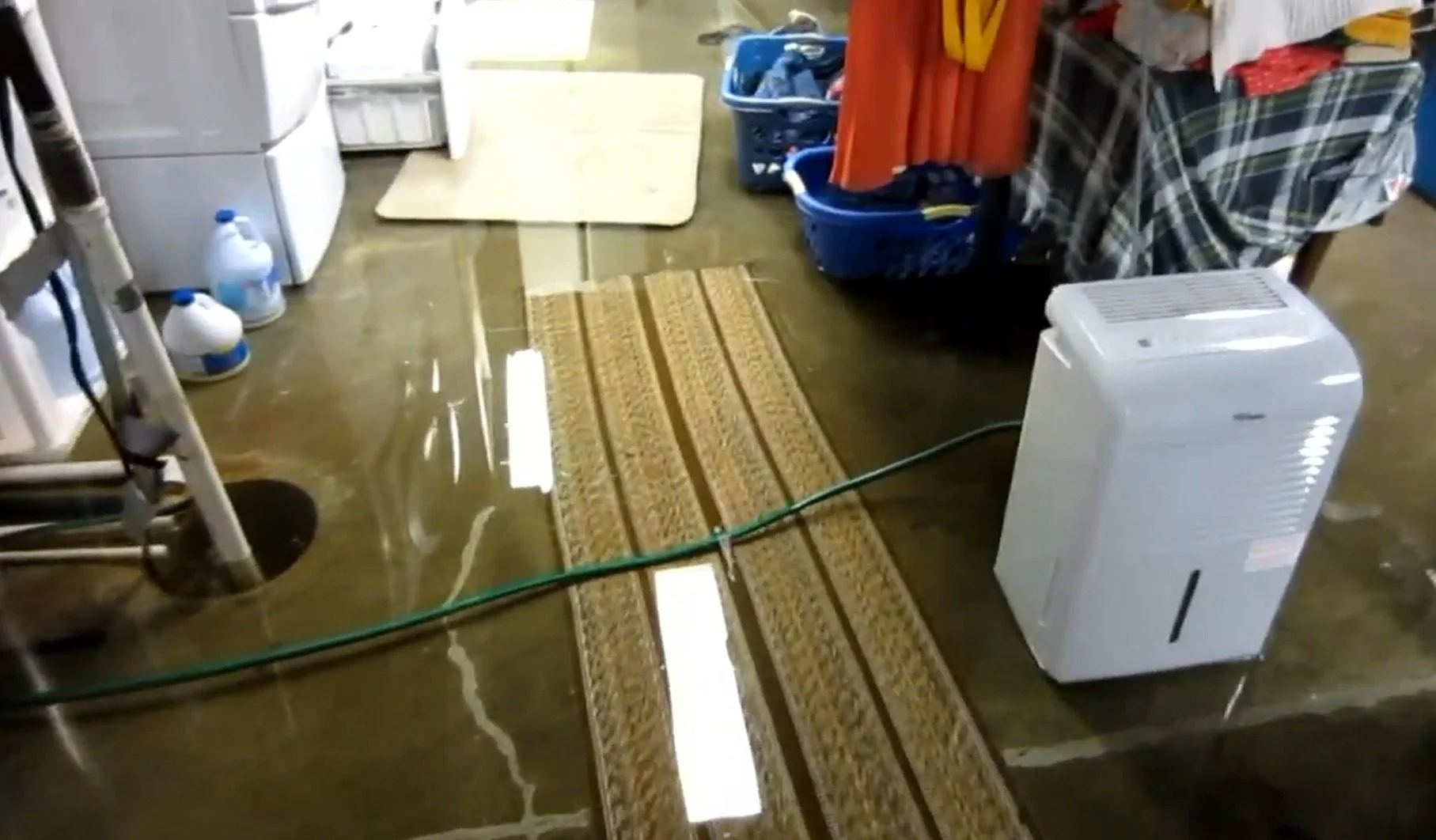
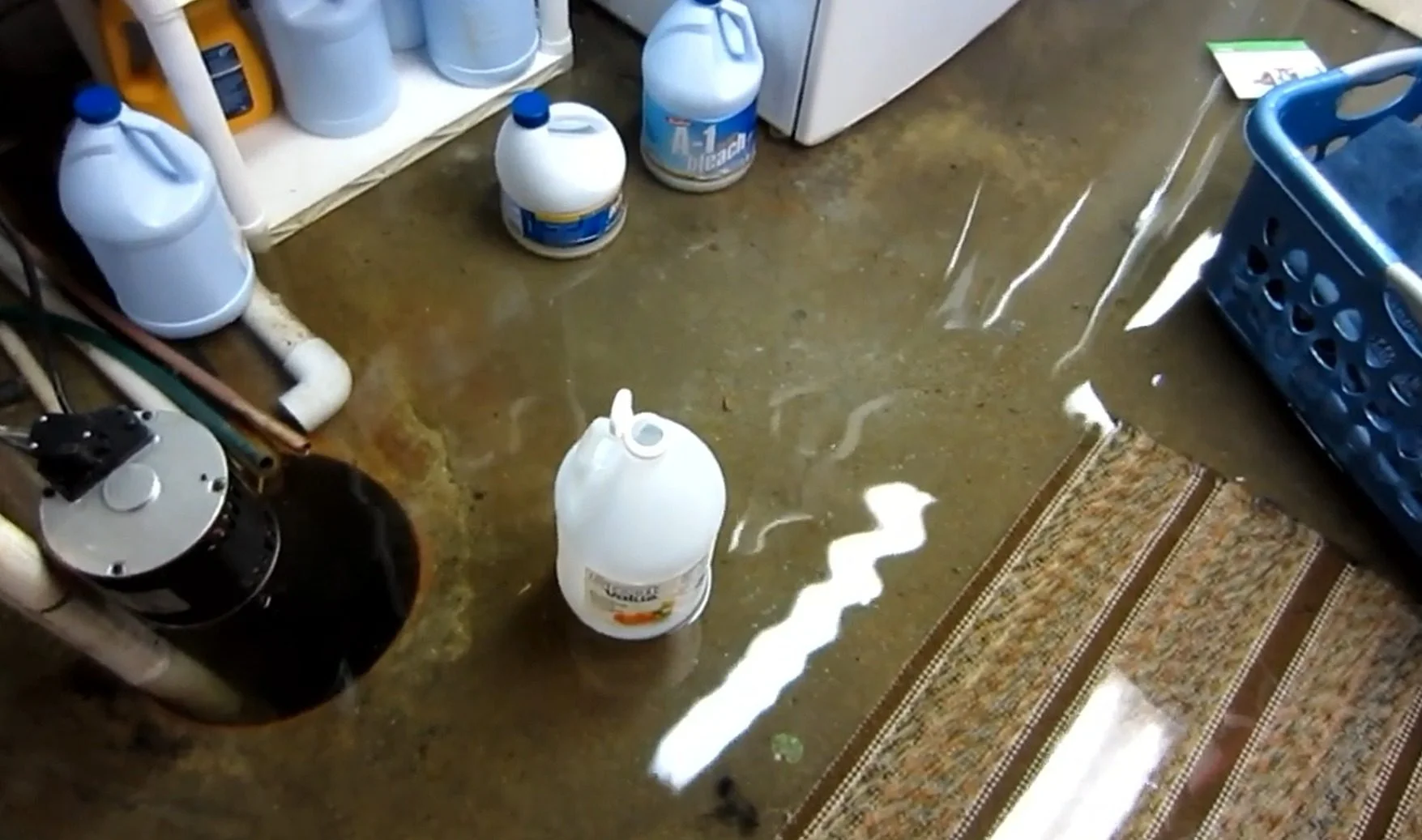
When a sump pump fails in an Illinois home, the flooding does not happen gradually. Ground saturation from sudden storm systems or rapid snowmelt forces gallons of hydrostatic pressure through your foundation footer drains every minute. Once that mechanical float switch sticks, the power flickers, or the motor burns out, your basement can take on 3 to 18 inches of standing water in less than an hour.
That sick-to-your-stomach feeling is completely understandable. Your hot water heater burner shuts off, your furnace control board is submerged, personal storage boxes are ruined, and saturated drywall is already wicking contaminated water up the studs.
We know this is not how you planned your day. At Rapid Basement Relief, we provide immediate, expert flooded basement cleanup across Illinois, taking control of the chaos from the minute you call. We stop the water spread, pump out every drop, sanitize every surface, and dry your foundation before secondary structural damage and toxic mold can take hold.
Why Sump Pumps Fail in Illinois Homes
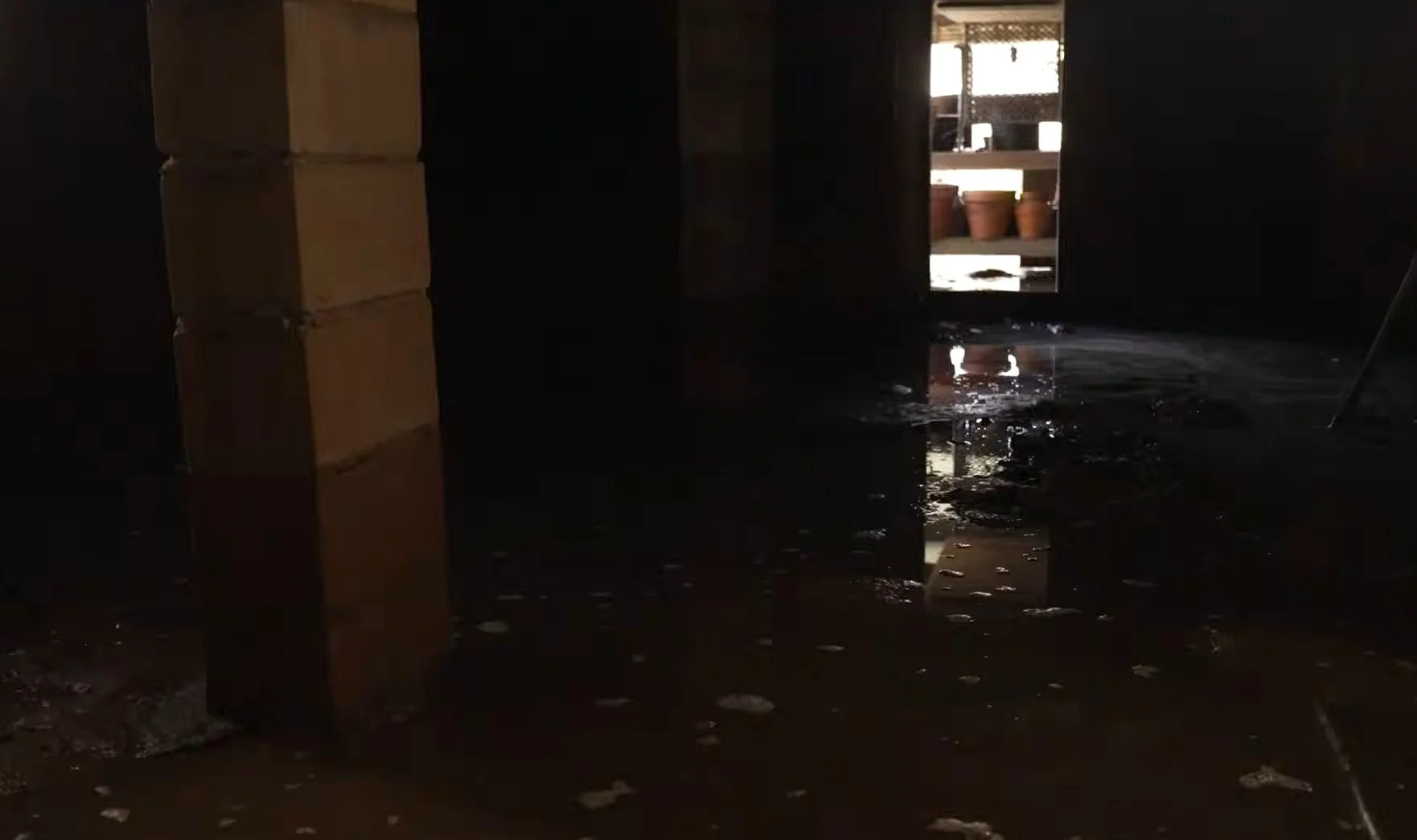
Illinois basements face some of the most aggressive groundwater pressure in the Midwest. From the dense, non-porous Chicago blue clay soil in Cook and DuPage counties to the high alluvial water tables along the Fox, Des Plaines, Rock, and Mississippi Rivers, your sump pump is often the only barrier between a dry home and a total structural flood.
Understanding why your pump failed helps us diagnose the pit on arrival and ensure your basement stays protected long after the cleanup is finished:
1. Severe Storm Power Outages (ComEd & Ameren Grid Failures)
The primary trigger for catastrophic basement flooding across Northern and Central Illinois is severe weather knocks out electrical power. During intense summer derechos or supercell thunderstorms, power cuts off at the exact moment runoff volume reaches its peak. Without an operational battery backup or dual-pump system, the pit overflows within minutes.
2. Mechanical Float Switch Failure (Stuck or Tangled)
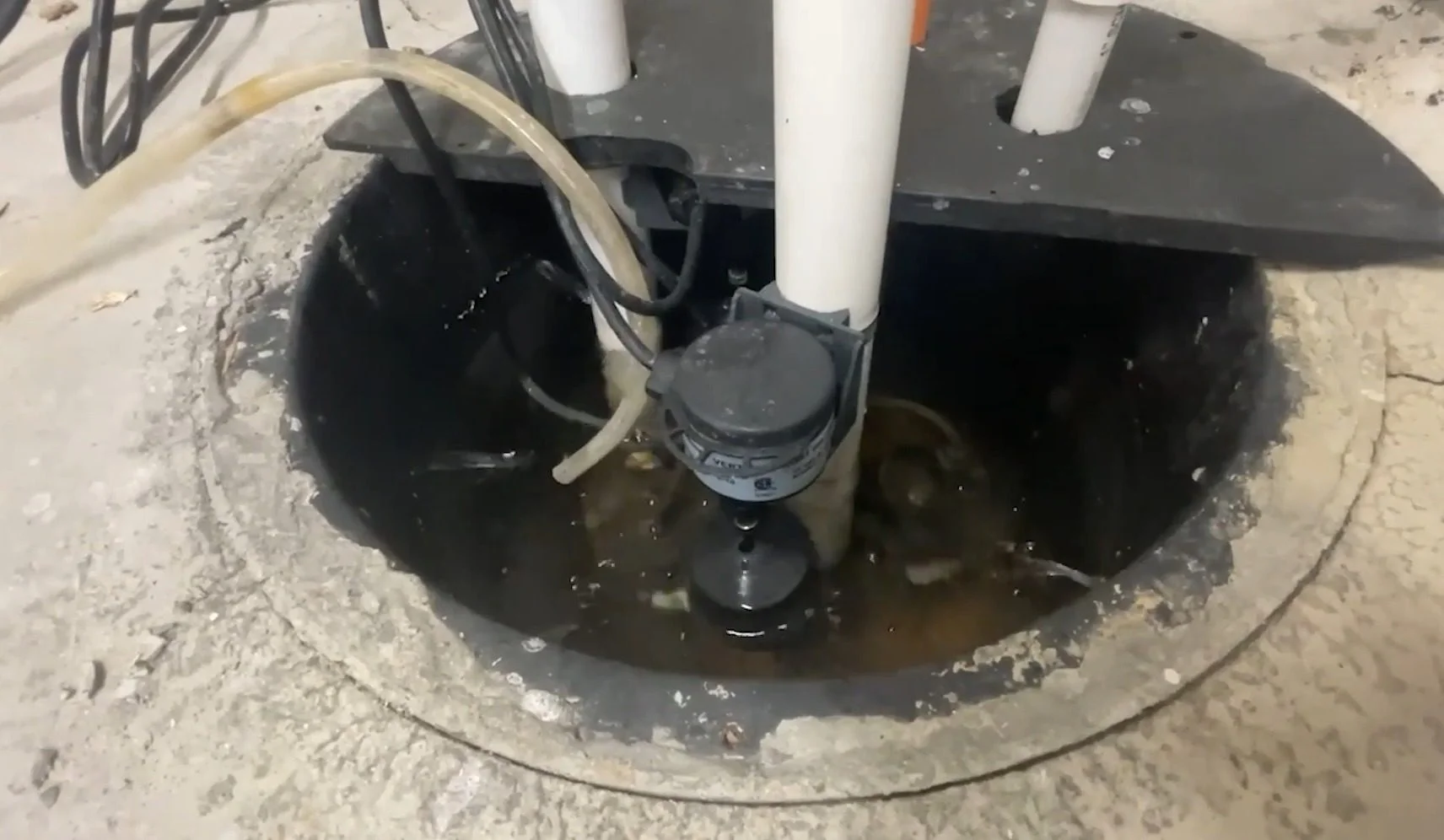
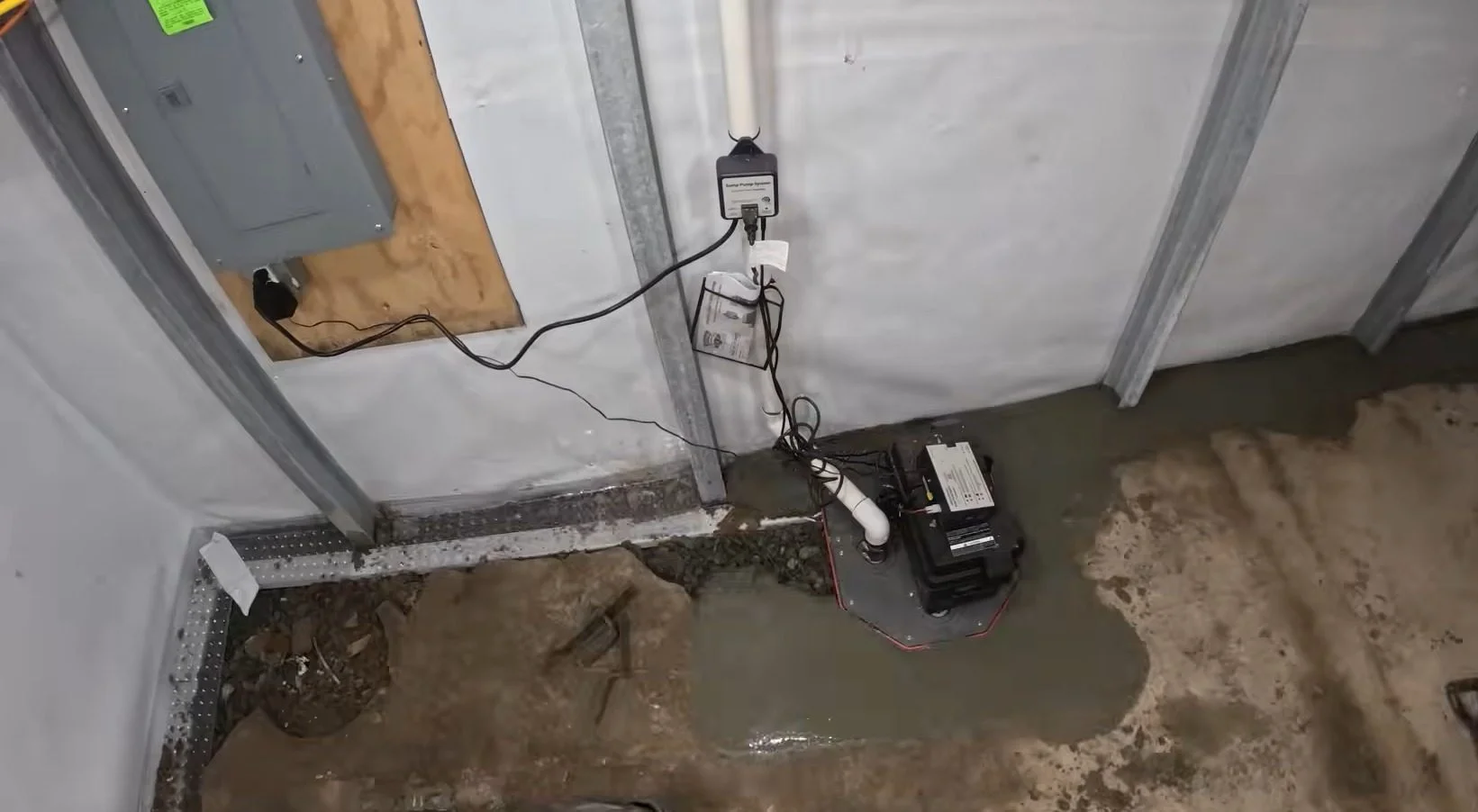
The float switch activates the pump motor when water rises in the basin. Vibrations from high-cycling pumps can drift the unit against the pit wall, pinning the mechanical float arm in the "off" position. Alternatively, debris, sediment, or loose wires can block the float switch from rising, leaving the pump silent while water surges over the rim.
3. Frozen or Blocked Discharge Lines
During Illinois winters and early spring freeze-thaw cycles, sub-zero temperatures freeze standing water inside shallowly buried discharge pipes outside your foundation wall. When the pump engages, the ice blockage prevents water from escaping. The motor hums continuously under back-pressure until it burns out or trips the electrical breaker, forcing all discharged water back into the basement.
4. Motor Burnout from Continuous Overload
During prolonged spring rainstorms, a 1/3 HP pump installed in a high-water-table area may run every 20 to 30 seconds without resting. This continuous thermal load overheats older motor windings, causing sudden mechanical seizure mid-storm.
5. Heavy Silt & Clay Sediment Inflow
Illinois clay soil contains fine silt particles that wash through foundation drain tiles into the sump basin. Over time, this thick sediment clogs the bottom intake screen of submersible pumps, restricting water flow and causing the impeller to lock up.
6. Tripped Circuit Breakers & GFCI Outlets
Power surges during lightning strikes or electrical overloads on shared basement circuits can trip the dedicated breaker or GFCI receptacle, killing power to the pump without any audible warning.
How We Handle Emergency Sump Pump Cleanup in Illinois
Our scientific, psychrometric restoration protocol is engineered for total basement water removal, mold prevention, and rapid insurance claim settlement.
Emergency Pit Diagnosis & Electrical Safety Check
Upon arrival, our certified team first inspects the basement for electrical and structural hazards. We check water conductivity, evaluate submerged utilities (furnaces, water heaters, electrical panels), and examine the sump pit to determine whether the mechanical failure was caused by power loss, a stuck float switch, a locked impeller, or a blocked exterior discharge line.
High-Volume Water Extraction
Using industrial truck-mounted extraction units and heavy-duty submersible trash pumps, we rapidly evacuate standing water from your basement floor. We extract water trapped in carpets, padding, and low-lying perimeter drain troughs to stop ongoing hydrostatic absorption into your structural framing.
Moisture Mapping & Thermal Imaging Inspection
Water travels far beyond what the naked eye can see. Using non-invasive FLIR® thermal imaging cameras and calibrated pin/pinless moisture meters, we map the full migration path of moisture behind baseboards, under floating vinyl/laminate floors, and inside drywall cavities.
Antimicrobial Treatment & Contamination Sanitization
Because sump water contains groundwater microorganisms, we apply EPA-registered, hospital-grade botanical disinfectants and antimicrobials to all affected concrete floors, framing studs, and masonry surfaces. This eliminates bacterial contamination, neutralizes foul musty odors, and halts mold spore colonization on contact.
Industrial Structural Drying & Dehumidification
We place strategic arrays of high-velocity axial air movers paired with industrial Low-Grain Refrigerant (LGR) or desiccant dehumidifiers. By managing psychrometric principles (relative humidity, ambient temperature, and vapor pressure differentials), we draw bound moisture out of deep concrete slabs, block foundation walls, and wooden subfloors until daily moisture readings meet dry-standard baselines.
Insurance-Ready Documentation & Final Clearance
We document every stage of your loss. We provide a complete file containing before-and-after moisture readings, thermal imagery, categorized personal property inventory lists, and itemized restoration reports formatted in industry-standard Xactimate® pricing for seamless claim approval with your insurer.
Why Illinois Homeowners Choose Rapid Basement Relief
When water is rising in your basement, you need dedicated emergency specialists who focus specifically on sump pump failure remediation—not generic handymen, plumbing companies that only swap pipes, or out-of-state aggregators with slow dispatch times.
| Service & Capability Feature | Rapid Basement Relief | National Franchises (e.g. SERVPRO, Roto-Rooter) | Out-of-State Lead Brokers | Local Independent Handymen |
|---|---|---|---|---|
| Micro-Niche Sump Pump Focus | 100% Dedicated to Sump Failures | Broad water / general plumbing | Generic multi-trade directories | Uncertified general labor |
| Response Time Commitment | Fast Emergency Dispatch | 2 to 6+ hours during storm surges | Brokers sell leads to random 3rd parties | Unreliable night/weekend response |
| IICRC S500 Standards Compliance | Strict Protocol on Every Job | Franchise dependent | None | Rare |
| Category 2 Water Sanitation | EPA-Registered Antimicrobial Wash | Standard wash | None | Simple mop & bleach (ineffective) |
| Thermal Imaging & Moisture Mapping | FLIR® Infrared Scanners on Every Truck | Inconsistent equipment | None | Visual check only |
| Xactimate® Itemized Insurance Invoicing | Full Itemized Claim Documentation | Standard | Non-compliant invoices | Handwritten receipts |
| Illinois Hyper-Local Entity Knowledge | Deep Soil, River & Infrastructure Expertise | Templated franchise scripts | Out-of-state call centers (OH/MN) | Local only to single town |
| Direct Phone Line (No Call Centers) | Direct Line: (888) 846-0214 | Centralized national queues | Automated phone routing trees | Personal voicemail |
Sump Pump Failure Water Damage Illinois: Insurance Claims & Endorsements
One of the biggest shocks for Illinois homeowners after a basement flood is discovering that standard homeowners insurance policies (HO-3) DO NOT automatically cover water damage caused by sump pump failure or groundwater backup.
The "Water Backup & Sump Overflow" Endorsement
In Illinois, coverage for failed sump pumps requires a specific policy rider known as a Water Backup and Sump Discharge or Overflow Endorsement.
- Standard Limits: Most basic policies carry default endorsement caps of $5,000 to $10,000.
- The Reality of Costs: A fully finished basement with soaked drywall, luxury vinyl plank or carpeting, furnace repairs, and structural drying typically ranges from $5,000 to $25,000+ in total remediation and rebuild costs.
- Coverage Denials: Insurance companies frequently deny claims if the contractor fails to clearly prove the water originated from a sudden mechanical failure rather than pre-existing foundation seepage or lack of reasonable maintenance.
How We Protect Your Claim
Our technicians document the exact cause of failure at the pit on the initial inspection. We take date-stamped photos of the failed switch, pump motor, and water level, providing your insurance adjuster with undeniable proof of a covered, sudden mechanical loss.
Serving All Major Illinois Metros, Counties, and Water Basins
From the historic brick foundations of the Chicago Bungalow Belt to the sprawling split-level and modern finished basements of the suburbs and downstate communities, our emergency crews cover the entire state of Illinois.
1. Chicagoland & Surrounding Suburbs
- Counties: Cook, DuPage, Lake, Kane, McHenry, Will
- Key Municipalities: Chicago, Aurora, Naperville, Elgin, Waukegan, Bolingbrook, Arlington Heights, Schaumburg, Palatine, Wheaton, Evanston, Des Plaines, Skokie, Gurnee, Downers Grove, Elmhurst, Oak Park, Hoffman Estates.
- Local Geological & Drainage Factors: Dense Chicago clay soil prevents storm percolation; older combined sewer systems overseen by the Metropolitan Water Reclamation District (MWRD) surcharge during 2-inch-per-hour downpours; high water tables near the Des Plaines River, Fox River, and Salt Creek.
- Key Zip Codes Served: 60601–60661, 60004, 60007, 60016, 60025, 60056, 60062, 60067, 60076, 60085, 60089, 60101, 60103, 60120, 60126, 60137, 60148, 60181, 60187, 60440, 60490, 60504, 60515, 60521, 60540, 60563.
2. Northern Illinois & Rockford Metropolitan Area
- Counties: Winnebago, Boone, Ogle, Stephenson, Lee
- Key Municipalities: Rockford, Loves Park, Machesney Park, Belvidere, Freeport, Dixon, Rochelle, Byron, Rockton, Roscoe.
- Local Factors: Heavy river basin saturation along the Rock River, Kishwaukee River, and Pecatonica River; rapid spring snowmelt flooding; severe winter freeze-ups of exterior pump discharge lines.
- Key Zip Codes Served: 61101, 61107, 61108, 61111, 61115, 61008, 61032, 61021, 61068.
3. Southwestern Illinois & St. Louis Metro East
- Counties: St. Clair, Madison, Monroe, Clinton
- Key Municipalities: O'Fallon, Belleville, Edwardsville, Granite City, Alton, Collinsville, Fairview Heights, Troy, Mascoutah, East Saint Louis, Waterloo, Columbia.
- Local Factors: Alluvial Mississippi River valley flooding; Cahokia Creek and Kaskaskia River runoff; Ameren grid storm vulnerabilities during summer severe weather.
- Key Zip Codes Served: 62269, 62220, 62221, 62226, 62025, 62040, 62002, 62034, 62208, 62298.
4. Central & DeKalb County Region
- Counties: DeKalb, LaSalle, Kendall
- Key Municipalities: DeKalb, Sycamore, Sandwich, Genoa, Cortland, Kirkland, Somonauk.
- Local Factors: Flat prairie topography with slow surface drainage; intense agricultural runoff overwhelming residential drain tiles during spring downpours.
- Key Zip Codes Served: 60115, 60178, 60548, 60135.
Emergency Basement Water Removal Across Illinois — We Are Ready 24/7
Don't let a failed sump pump destroy your finished basement, furnace, or family living space. The longer water sits, the higher the risk of toxic mold growth and severe structural framing rot.
Call Rapid Basement Relief now for immediate emergency dispatch anywhere in Illinois. Our fully equipped restoration units are on standby with industrial pumps, thermal moisture cameras, and commercial drying systems.
- Direct Emergency Hotline: (888) 846-0214
- ⏱ Response: 24 Hours a Day • 7 Days a Week • 365 Days a Year
- Service Area: Statewide Illinois Coverage (Chicagoland, Northern IL, Metro East, Central IL)
- Online Dispatch: Request immediate call-back via our Contact Page
Content Architecture & Master Copywriting © 2026 Rapid Basement Relief. Formatted for High-Converting HTML/CSS/JS Production.