
Why do sump pumps fail so frequently in Illinois homes?
Sump pumps in Illinois fail primarily due to a combination of severe weather power outages, mechanical float switch failures, frozen exterior discharge lines in winter, and motor burnout from heavy cycling in dense Chicago blue clay soils. Because Illinois has high seasonal water tables and impermeable soil, foundation drainage tiles deliver hundreds of gallons of water per hour to the sump basin during heavy rains. When a mechanical or electrical failure occurs, basement flooding happens within 30 to 90 minutes.
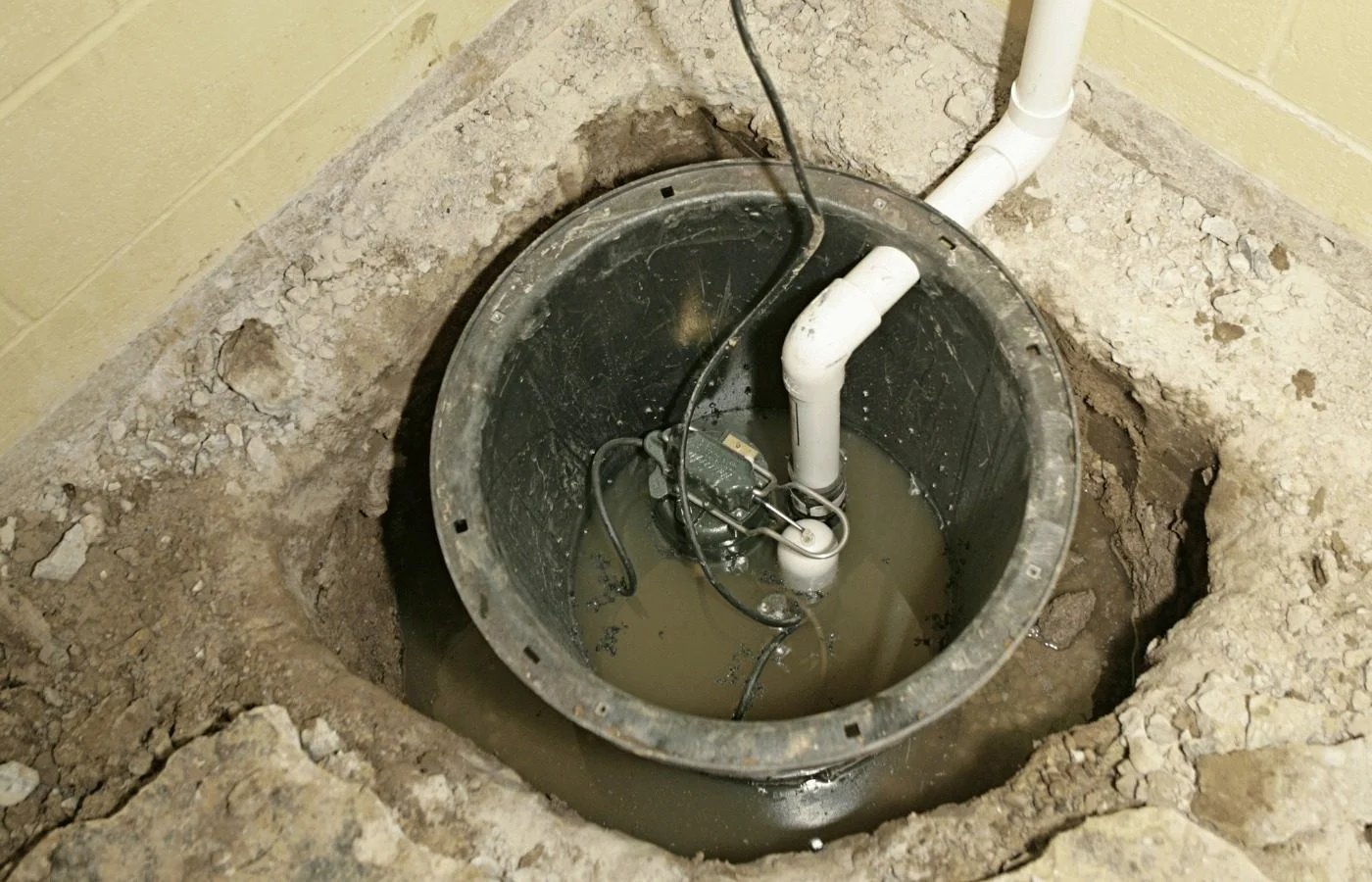
Why Illinois Basements Face Extreme Hydrostatic Pressure
Illinois basements are uniquely vulnerable to water intrusion due to the state's post-glacial geological profile and regional climate patterns.
1. The Chicago Blue Clay Layer
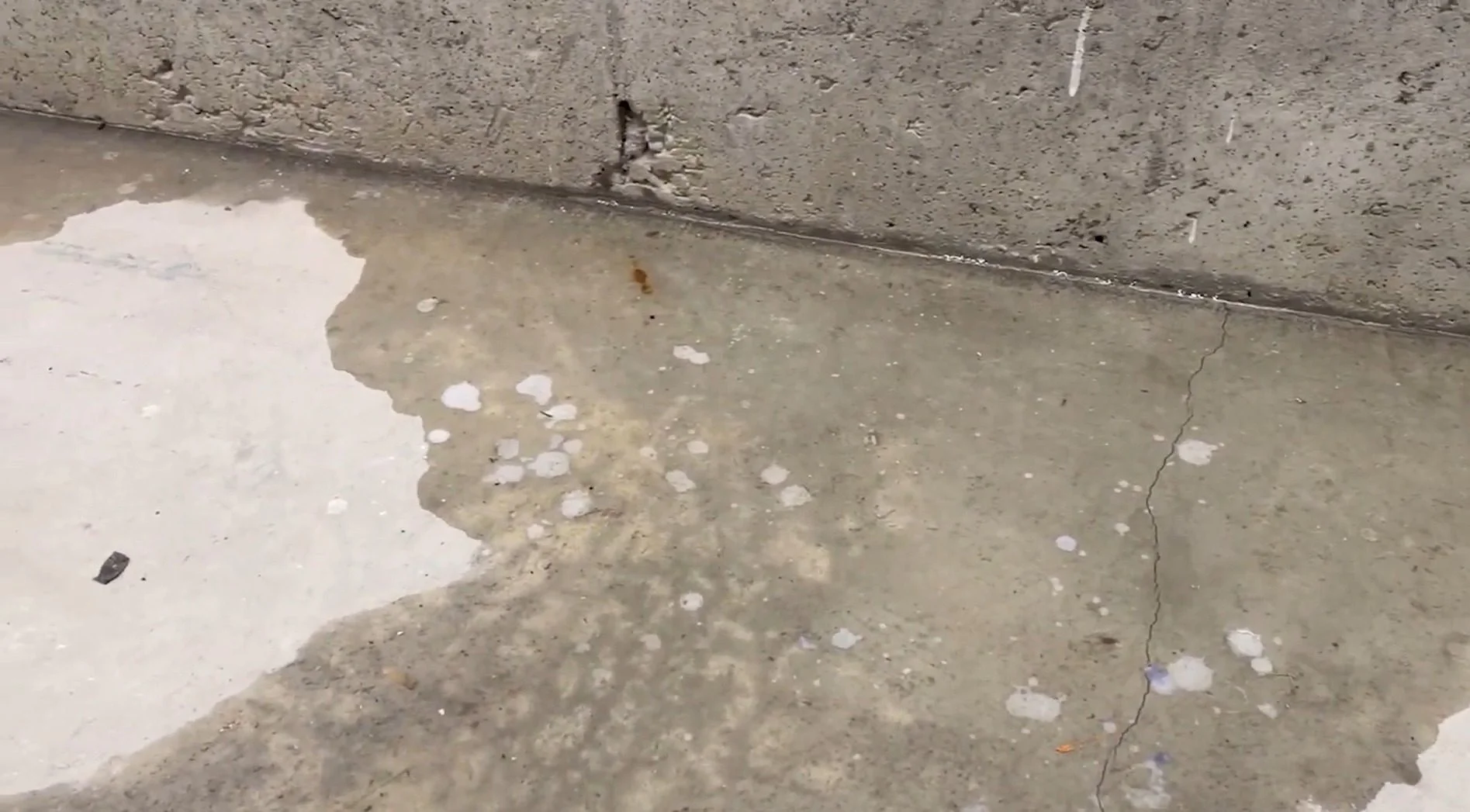
Across Cook, DuPage, Lake, and Kane counties, the topsoil sits above a dense, heavy layer of glacial blue clay. Unlike sandy or loam soils that allow rainwater to percolate deep into aquifers, clay soil expands when wet and creates an impermeable barrier. Rainwater and melting snow pool around residential foundations, building massive lateral and vertical hydrostatic pressure against basement walls and footers.
2. River Valley & Watershed Saturation
Communities along the Des Plaines River, Fox River, DuPage River, Rock River, and Mississippi River sit in low-lying alluvial floodplains. During spring thaws (March–May), river levels rise and elevate the surrounding subterranean water table. In these areas, sump pumps often cycle every 30 to 60 seconds even several days after rainfall has stopped.
3. Combined Sewer Overflows (MWRD Infrastructure)
In older urban centers and inner-ring Chicago suburbs (Oak Park, Berwyn, Evanston, Cicero), combined storm and sanitary sewer systems managed by the Metropolitan Water Reclamation District (MWRD) become pressurized during 2-inch-per-hour storms. When municipal storm mains reach capacity, street and yard runoff cannot drain, concentrating all stormwater directly into residential perimeter drain tiles.
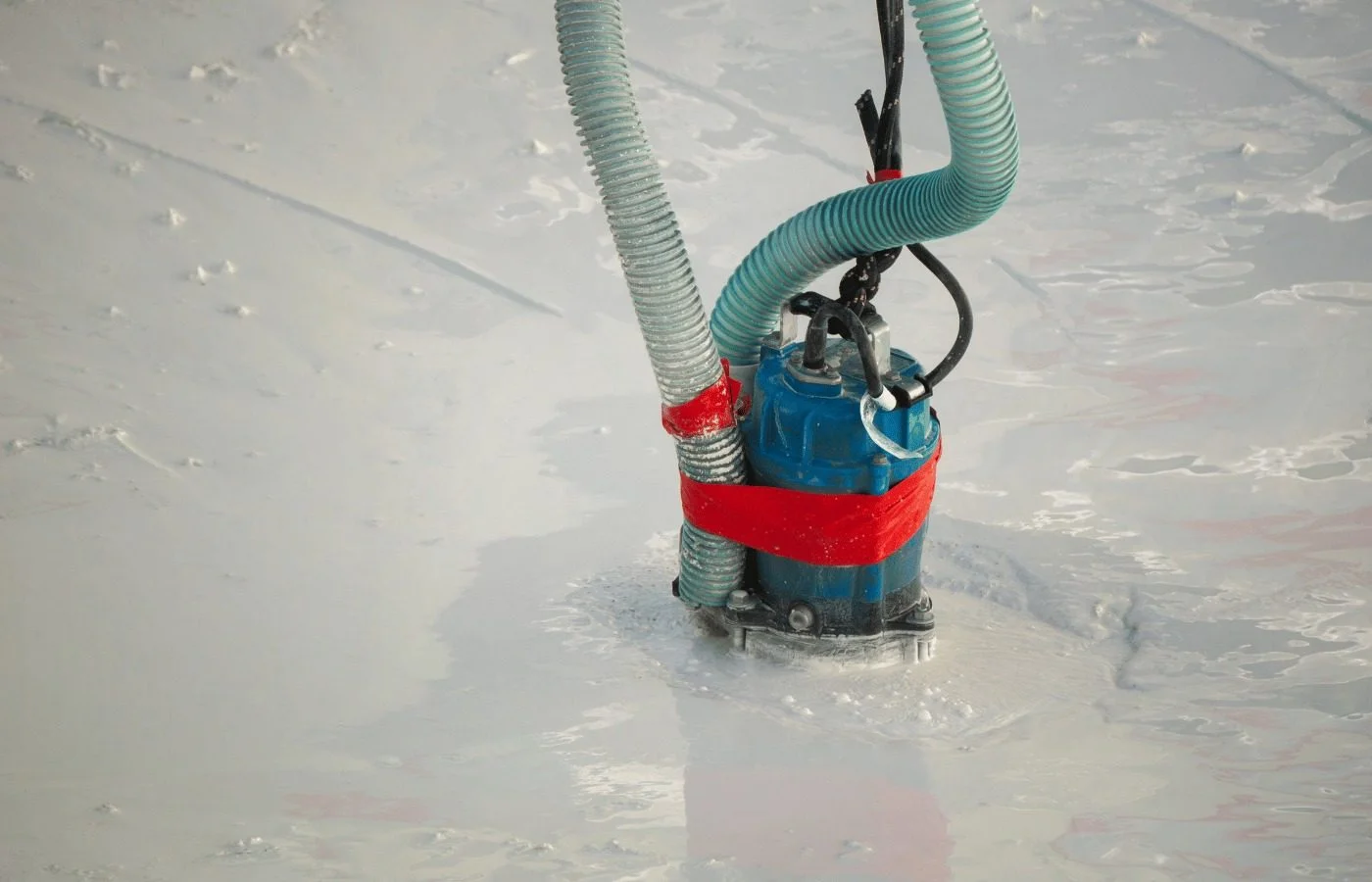
Sump Pump Components: How Your System Works (And What Breaks)
Key Components & Failure Points:
- 1 Submersible Pump vs. Pedestal Pump:
- Submersible: Motor sits under water at the bottom of the basin. More powerful, quieter, but susceptible to bottom silt clogs and motor seal wear after 7–10 years.
- Pedestal: Motor is elevated on a shaft above the basin. Easier to service but lower GPH (gallons per hour) capacity and higher noise.
- 1 Float Switch (The #1 Mechanical Failure Point):
- Vertical Float: Moves up and down a rigid rod. Less likely to catch on pit walls; ideal for tight 18-inch basins.
- Tethered Float: Floats freely on a flexible cord. Prone to hanging up on the pump body or discharge pipe, preventing activation.
- 1 The Check Valve:
- A one-way flapper valve installed on the vertical PVC pipe above the basin. If the check valve fails or sticks open, water pumped out falls right back into the pit, forcing the pump to cycle continuously (short-cycling) until the motor burns out.
- 1 The 3/16-inch Weep Hole:
- A small relief hole drilled in the discharge pipe between the pump discharge and the check valve. If this hole clogs with mineral scale or was never drilled, air gets trapped in the impeller chamber (airlock), preventing the pump from moving water even when the motor is running.
Sizing Backup Systems for Illinois Storms
A primary sump pump without a dedicated backup is a ticking financial liability. When summer thunderstorms knock out power grids operated by ComEd or Ameren Illinois, the primary pump is immediately disabled.
Types of Backup Systems:
- 12-Volt DC Battery Backup Pumps: Uses a deep-cycle marine AGM or Lithium-iron battery to power a secondary pump mounted slightly above the primary unit in the pit.
- Water-Powered Emergency Backups: Uses municipal water pressure (city water line) to create a siphon effect during power outages. Note: Does not work for homes on private wells.
- Smart Wi-Fi High Water Alarms: Cloud-connected monitors (e.g., Moen Flo, YoLink, Basement Watchdog) that sound an 85dB audible alarm and send immediate smartphone notifications the moment water rises above normal operational thresholds.
The Seasonal Maintenance Checklist Every Illinois Homeowner Should Follow
Perform this 5-step test every spring (March) and fall (October):
- 1 The Bucket Test: Slowly pour 5 gallons of water into the sump basin. Verify that the float switch rises freely, the pump engages smoothly, empties the pit in under 15 seconds, and shuts off without vibrating violently.
- 2 Inspect the Exterior Discharge Exit: Walk outside and confirm the discharge pipe terminates at least 10 feet away from the foundation with a positive downward slope. Ensure the outlet is clear of mulch, dead leaves, rodent nests, or winter ice dams.
- 3 Clean Silt and Debris from the Basin: Unplug the unit, reach into the bottom of the basin, and scoop out accumulated gravel, dirt, and clay silt that can choke the intake screen.
- 4 Check the Weep Hole: Ensure the 3/16" air relief hole between the pump and check valve is free of mineral deposits using a small wire or toothpick.
- 5 Inspect the Check Valve: Listen for a clean "thunk" sound when the pump shuts down, indicating the flapper closed properly and is not allowing water to back-siphon.
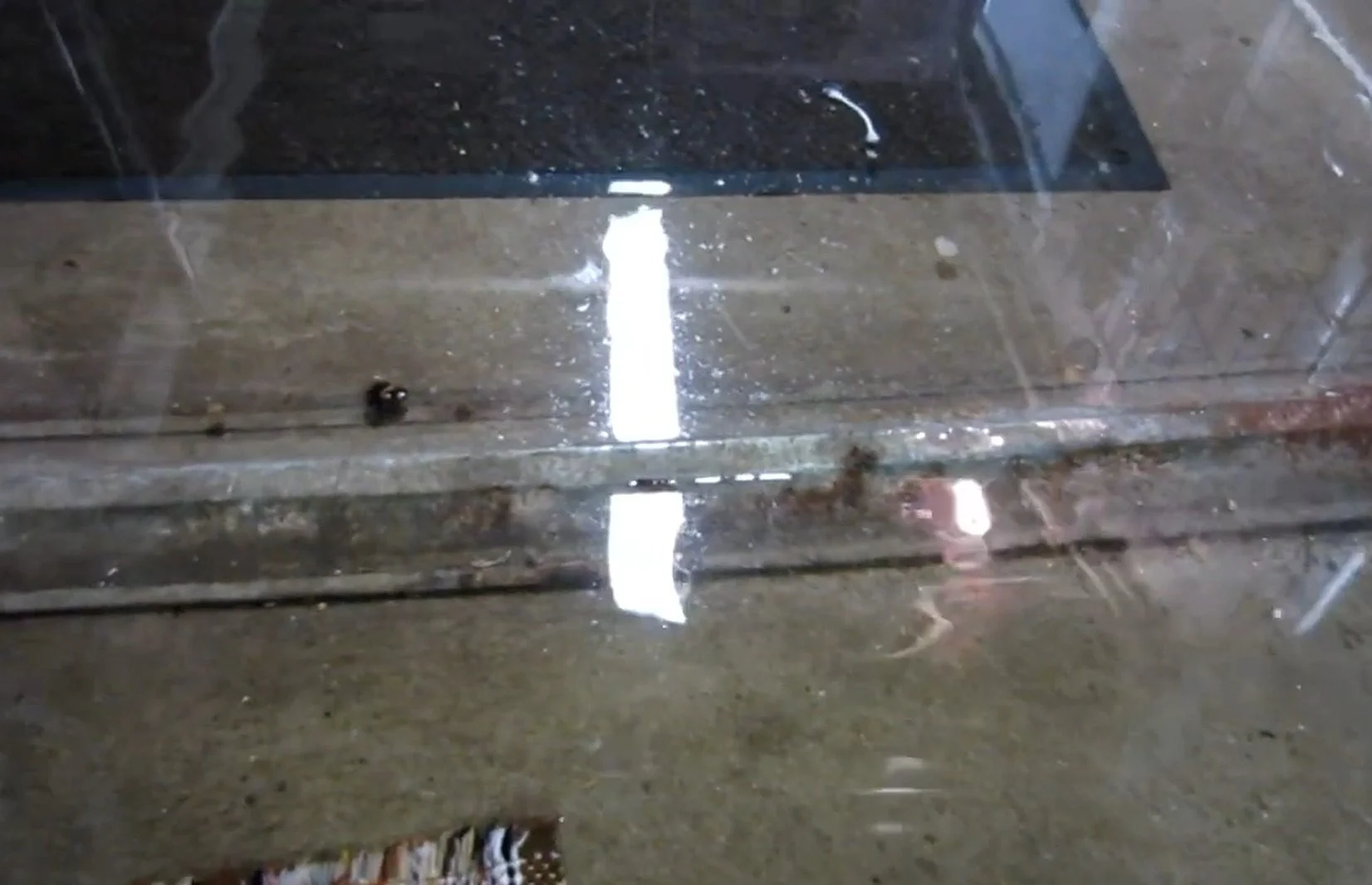
What to Do in the First 60 Minutes of a Basement Flood
- 1 Kill Basement Power: If standing water touches wall receptacles, extension cords, or the bottom of your electrical panel, do not enter. Contact ComEd/Ameren or an emergency electrician immediately.
- 2 Elevate Critical Electronics: If safe to enter, get furnace filters, dehumidifiers, power tools, and stored cardboard boxes up onto plastic storage shelves or the first floor.
- 3 Never Drain Deep Water Too Fast: If your basement has over 3 feet of water, pumping it out in minutes can cause foundation walls to crack or buckle inwards due to the external saturated soil pressure. Professional crews balance hydrostatic differentials during extraction.
- 4 Call Certified Restoration Within 24 Hours: Microbial mold spores germinate on wet cellulose (drywall and wood framing) within 24 to 48 hours. Professional extraction and structural dehumidification are required to avoid whole-home contamination.